
Individual Psychotherapy Across the Lifespan
Specialized, neuropsychologically informed psychotherapy for children, adolescents, adults, and older adults navigating complex emotional, cognitive, or life-transition concerns.
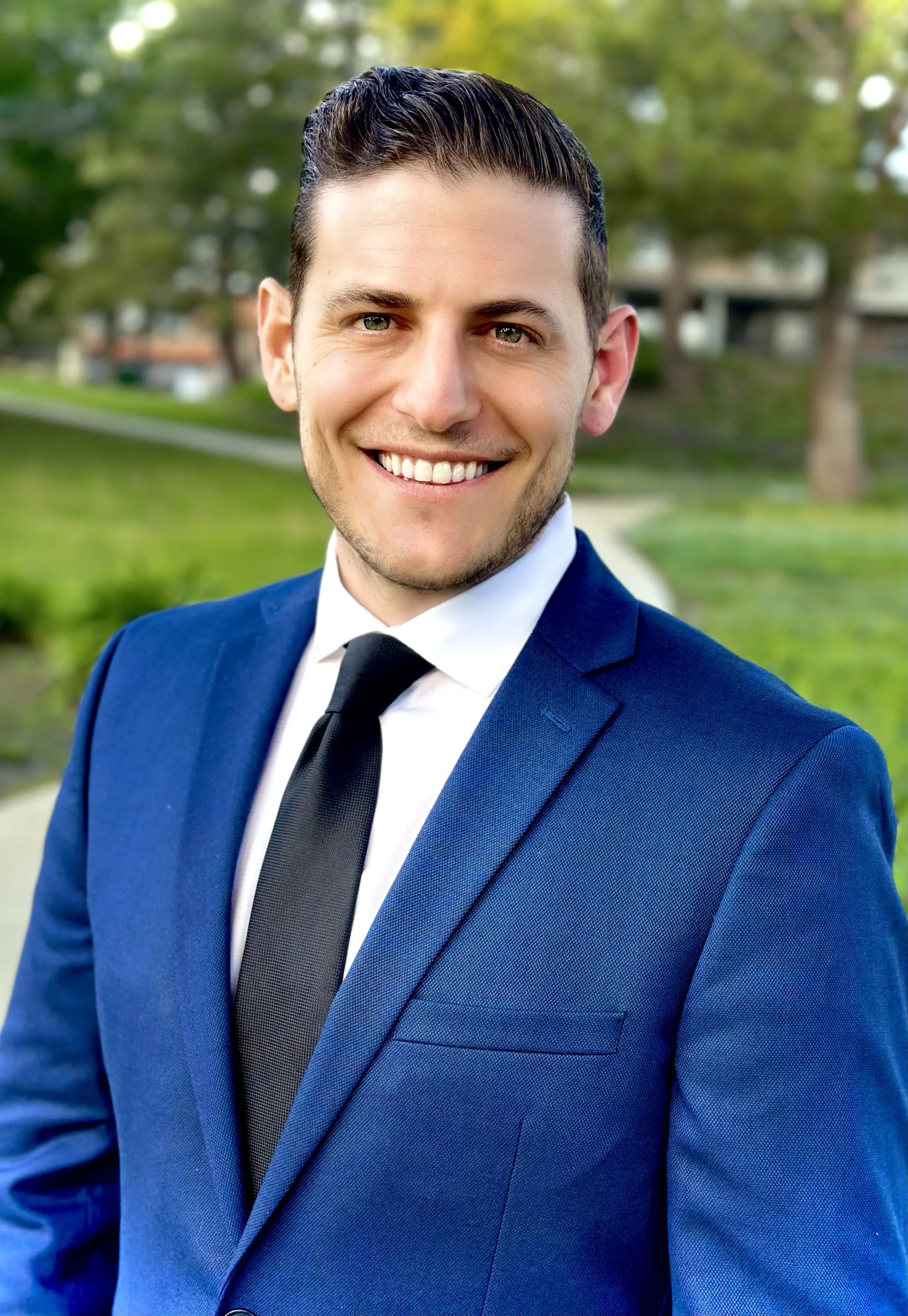
Adam Z. Chester, PsyD
Licensed Clinical Neuropsychologist
When Is Specialist Psychotherapy Appropriate?
SEEKING CLARITY
Psychotherapy within Chester Neuropsychology is designed for individuals seeking depth, structure, and evidence-informed treatment grounded in advanced clinical training.
Complex Anxiety & Obsessive Patterns
Persistent anxiety, intrusive thoughts, compulsive behaviors, perfectionism, or high-performance stress that require structured, evidence-based intervention such as CBT or Exposure and Response Prevention (ERP).
Emotional Distress With Cognitive Vulnerabilities
Mood symptoms, trauma exposure, or stress-related concerns occurring alongside ADHD, executive functioning weaknesses, neurodevelopmental differences, or medical conditions.
High-Functioning Individuals Seeking Depth
Professionals, parents, and adolescents who appear outwardly capable but experience internal distress, burnout, relational strain, or repetitive patterns that benefit from insight-driven and skill-based work.
Life Transitions With Psychological Impact
Adjustment to medical diagnoses, acquired brain injury, identity development, aging-related changes, caregiving stress, or significant personal transitions requiring structured therapeutic support.
NEUROPSYCHOLOGICALLY INFORMED APPROACH
What Differentiates This Practice
Psychotherapy at Chester Neuropsychology is grounded in advanced training in clinical neuropsychology and evidence-based treatment across diverse care settings, including academic medical centers and residential psychiatric programs.
Dr. Chester’s clinical background includes:
• Exposure and Response Prevention (ERP) for severe obsessive-compulsive disorder
• Cognitive Behavioral Therapy (CBT) for anxiety and mood disorders
• Psychodynamic psychotherapy across developmental stages
• Neurocognitive rehabilitation following acquired brain injury
• Group-based cognitive-behavioral and mindfulness interventions for insomnia
• Treatment of complex psychiatric conditions, including schizophrenia and chronic mental illness
Treatment integrates cognitive-behavioral strategies, insight-oriented exploration, executive functioning coaching, and psychoeducation regarding brain-behavior relationships.
Sessions are structured, goal-oriented, and periodically reviewed to ensure measurable progress.
CLINICAL AREAS OF SPECIALIZATION
Psychotherapy Services Within Chester Neuropsychology
Our comprehensive assessments examine cognitive abilities, academic performance, and behavioral and mood functioning across all key areas.
Anxiety & Obsessive-Compulsive Spectrum Disorders
Evidence-based treatment for generalized anxiety, panic disorder, social anxiety, and obsessive-compulsive disorder, including Exposure and Response Prevention (ERP) for moderate to severe presentations. Treatment emphasizes measurable progress and structured intervention.
Mood Disorders & Emotional Regulation
Specialized psychotherapy for depressive disorders, persistent mood instability, and chronic emotional dysregulation, integrating cognitive-behavioral strategies with insight-oriented exploration and skill development.
Trauma, Stress & High-Demand Environments
Therapeutic intervention for individuals navigating trauma exposure, chronic stress, medical trauma, or sustained high-performance environments. Treatment prioritizes stabilization, cognitive integration, and resilience-building.
Executive Functioning & Neurodevelopmental Differences
Targeted intervention for attentional inefficiencies, organization challenges, procrastination, emotional impulsivity, and executive functioning vulnerabilities across developmental stages. Particularly relevant when cognitive and emotional patterns intersect.
Neurocognitive & Medical Complexity
Psychotherapeutic and rehabilitative support for individuals managing acquired brain injury, neurological illness, chronic medical conditions, or cognitive change. Treatment integrates emotional processing with neurocognitive understanding.
Insight-Oriented & Developmental Psychotherapy
Structured exploration of identity development, relational dynamics, internal conflicts, and longstanding behavioral patterns. Emphasis on self-awareness, psychological flexibility, and durable growth across the lifespan.
ACROSS THE LIFESPAN
Developmentally Tailored Care
Specialist-level psychotherapy supports meaningful change across the lifespan, integrating neuropsychological insight with structured, evidence-based intervention.
Psychotherapy within Chester Neuropsychology is designed for individuals and families seeking structured, specialist-level care grounded in advanced neuropsychological training. Treatment is offered selectively to ensure appropriate clinical fit, complexity alignment, and depth of work.
Our Process
How It Works
We develop structured, personalized treatment plans tailored to your developmental stage, clinical needs, and goals.
Ongoing Treatment
Regularly scheduled sessions tailored to developmental stage, clinical complexity, and clearly defined, measurable therapeutic objectives.
Periodic Review
Treatment goals and symptom trajectory are reviewed at defined intervals to ensure therapy remains focused, effective, and aligned with durable change.
What You'll Receive
PRACTICE STRUCTURE

Therapy Within a Specialist Neuropsychology Practice
Psychotherapy within Chester Neuropsychology operates within a specialist neuropsychology framework. Services are offered selectively to ensure appropriate clinical fit, complexity alignment, and depth of work.
Treatment within this practice is grounded in advanced training in clinical neuropsychology and evidence-based intervention. Sessions are purposeful, goal-oriented, and informed by an understanding of brain-behavior relationships across the lifespan.
As the practice expands, select associate clinicians may provide psychotherapy under the supervision and clinical standards of Chester Neuropsychology. All clinicians within the practice adhere to structured treatment planning, measurable objectives, and evidence-based clinical standards.
If psychotherapy within this setting is not the appropriate level of care, referrals to trusted specialists across the greater Los Angeles area are provided.
WHAT YOU CAN EXPECT
Clarity. Structure. Depth.
Psychotherapy at this level emphasizes measurable progress, disciplined self-examination, and integration of emotional and cognitive functioning. Treatment is not designed as open-ended supportive conversation, but as structured, goal-directed work toward durable change.
Sessions are intentional and reviewed at defined intervals to ensure progress, accountability, and alignment with long-term functioning.

Begin a Confidential Therapy Consultation
Schedule An Appointment
If you are seeking structured, specialist-level psychotherapy for yourself or your child, an initial consultation can help determine whether this structured, specialist-level approach aligns with your needs.

Clarifying structure, clinical fit, and expectations within a specialist framework.
Questions About Therapy
Who is therapy within this practice best suited for?
Therapy at Chester Neuropsychology is best suited for individuals seeking structured, goal-directed treatment informed by neuropsychological principles. It is particularly appropriate for those with complex developmental, cognitive, medical, or psychiatric histories who benefit from a specialist-level framework and clearly defined therapeutic objectives.
How is therapy within this practice different from traditional psychotherapy?
Therapy at Chester Neuropsychology is grounded in clinical neuropsychology and informed by an understanding of brain–behavior relationships across the lifespan. Treatment is structured and guided by a clinical formulation rooted in neuropsychological principles rather than open-ended supportive conversation.
Sessions emphasize measurable progress, disciplined self-examination, and integration of emotional, cognitive, and behavioral functioning. Progress is reviewed at defined intervals to ensure alignment with treatment goals and long-term functioning.
When appropriate, psychotherapy may be integrated with findings from a neuropsychological evaluation to support implementation of recommendations and deepen clinical insight.
Do you offer open-ended therapy?
Treatment is typically time-limited and structured around clearly defined goals. Ongoing work may continue when clinically indicated and aligned with treatment objectives.
Do you accept insurance?
Services are provided on a private-pay basis. Documentation for out-of-network reimbursement may be provided upon request.
How often are sessions scheduled?
Session frequency is determined based on the individual’s clinical presentation, treatment goals, and overall level of need. For many individuals, therapy begins on a weekly basis to establish momentum and clinical clarity. In some cases, particularly when symptoms are more acute or when focused skill-building is required, sessions may occur twice weekly. As treatment progresses and objectives are met, frequency may be adjusted thoughtfully to reflect gains, ongoing needs, and long-term planning. All scheduling decisions are made collaboratively and are guided by clinical judgment rather than a fixed model.
Can therapy be combined with a neuropsychological evaluation?
In some cases, psychotherapy may follow a comprehensive neuropsychological evaluation to support implementation of recommendations and address identified concerns. When therapy is provided by the evaluating neuropsychologist, treatment benefits from an already established therapeutic relationship and a detailed understanding of the individual’s cognitive profile, developmental history, emotional functioning, and contextual factors. This continuity can be particularly helpful for children, adolescents, and individuals with complex presentations, as it allows intervention to begin from a place of clarity rather than initial exploration. The depth of prior assessment reduces redundancy, strengthens rapport, and enables therapy to target areas of vulnerability and strength with greater precision from the outset.
Do you work with children, adolescents, and adults?
Yes. Psychotherapy within Chester Neuropsychology is offered across the lifespan and is developmentally tailored to the needs of children, adolescents, adults, and older adults. Treatment is adapted to reflect cognitive maturity, emotional development, family systems, and contextual factors relevant to each stage of life. Because the practice is grounded in neuropsychology, therapy is particularly attuned to executive functioning, learning differences, medical complexity, and developmental trajectories that may influence emotional and behavioral functioning.
How do I know if this is the right level of care?
Determining fit begins with an initial consultation focused on clinical presentation, goals, and overall complexity. Psychotherapy within this practice is best suited for individuals seeking structured, goal-directed treatment informed by neuropsychological principles and delivered within a specialist framework.
If a different level of care would be more appropriate — whether that involves a higher level of support, a more intensive treatment setting, or a modality better aligned with the presenting concerns — thoughtful referrals are provided to trusted clinicians and programs within the greater Los Angeles area. The aim is always to ensure that care is aligned with the individual’s needs rather than attempting to fit needs into a predetermined model.
What types of concerns are typically addressed in therapy?
Psychotherapy within this practice commonly addresses anxiety, mood disorders, executive functioning challenges, adjustment concerns, and difficulties related to developmental, medical, or cognitive complexity. Treatment may also focus on emotional regulation, identity development, performance-related stress, and implementation of recommendations following neuropsychological evaluation.
Because therapy is grounded in a neuropsychological framework, intervention is tailored to the individual’s cognitive profile and developmental trajectory rather than applied through a single, uniform model.
What is your approach to treatment planning?
Psychotherapy within Chester Neuropsychology begins with the development of an individualized clinical formulation informed by history, current functioning, and, when available, neuropsychological findings. Treatment is structured around these objectives rather than guided by open-ended discussion. Progress is reviewed at defined intervals to ensure alignment with goals and to determine whether adjustments are needed.
This structured planning process allows therapy to remain focused, efficient, and responsive to the individual’s evolving needs.