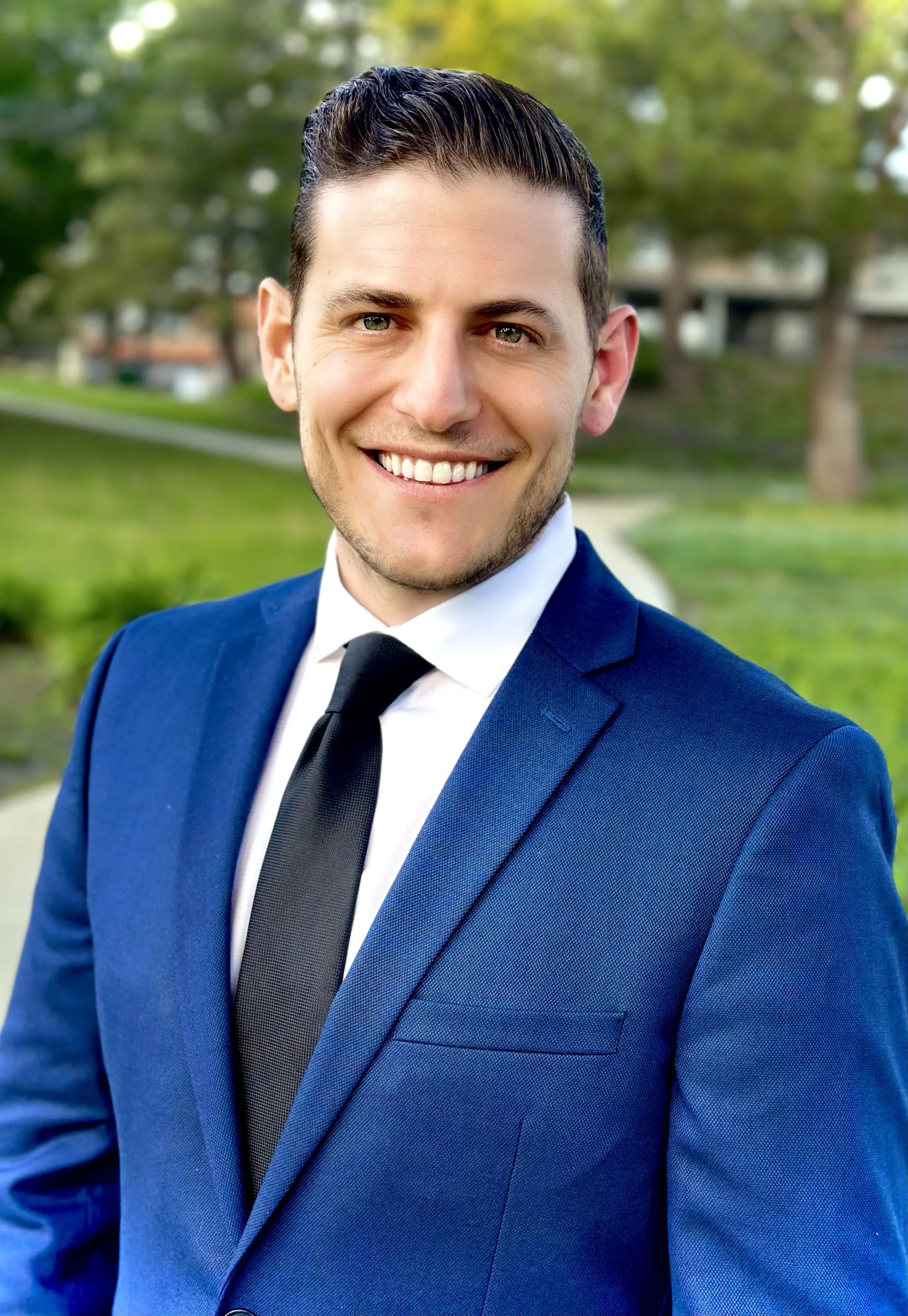
There is a standard I set for myself when I opened Chester Neuropsychology.
No patient would ever feel like one case among many.
Before opening the practice, I spent years working in hospitals, academic medical centers, and large healthcare systems. I saw the extraordinary expertise these institutions can provide. I also saw what can be lost when care becomes rushed, fragmented, or driven by volume.
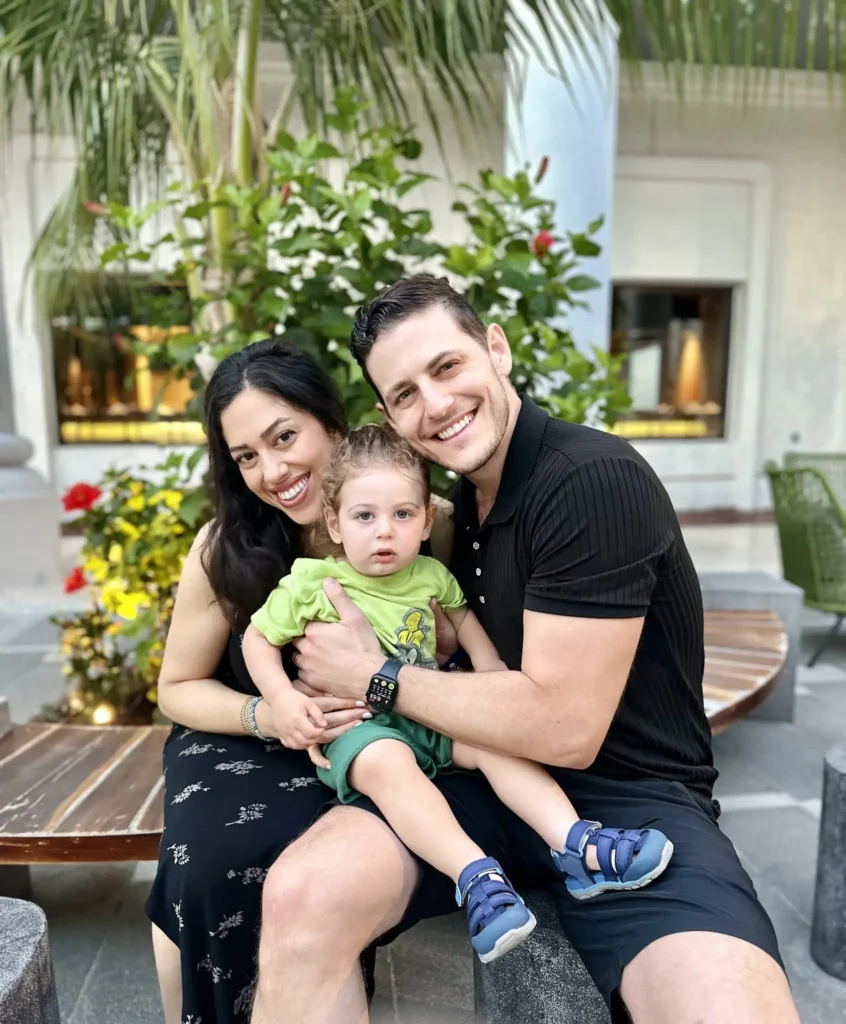
Around that same time, my wife and I welcomed our first son.
Becoming a father changed the question I was asking. I was no longer simply considering what kind of practice I wanted to build. I began asking what kind of care I would want if my own child, spouse, parent, or someone else I loved were sitting across from the clinician.
I would want someone who listened before testing.
Someone who did not rush toward the easiest diagnosis.
Someone who took the time to understand the complete developmental, medical, emotional, educational, and family story.
And someone who recognized that behind every referral question is a person, and often an entire family, seeking answers that may change how they understand the past, shape what comes next, and sometimes alter the course of their lives.
That standard became Chester Neuropsychology.
I designed the practice not as a high-volume testing clinic, but as a quiet, founder-led practice where clinical rigor and genuine care are not competing priorities. I intentionally limit the number of active evaluations I accept so that each case receives the time and attention it deserves.
For every evaluation I accept, patients and families work directly with me.
There is no handoff to a psychometrist, case manager, or administrative assistant. From the first discussion of your concerns through scheduling, interviewing, testing, interpretation, feedback, and follow-up questions, you communicate directly with the neuropsychologist responsible for understanding your case.
Whether the question involves a simple scheduling detail or a complex diagnostic consideration, it is handled by someone who understands the referral question, the clinical context, and the larger diagnostic picture.
That direct access is not simply a convenience. It allows every conversation, observation, and question to contribute to a more thoughtful and accurate understanding of the person.
My goal is not only to provide scores or a diagnostic label. It is to offer a clear explanation of what is happening, why it matters, and what can be done next.