
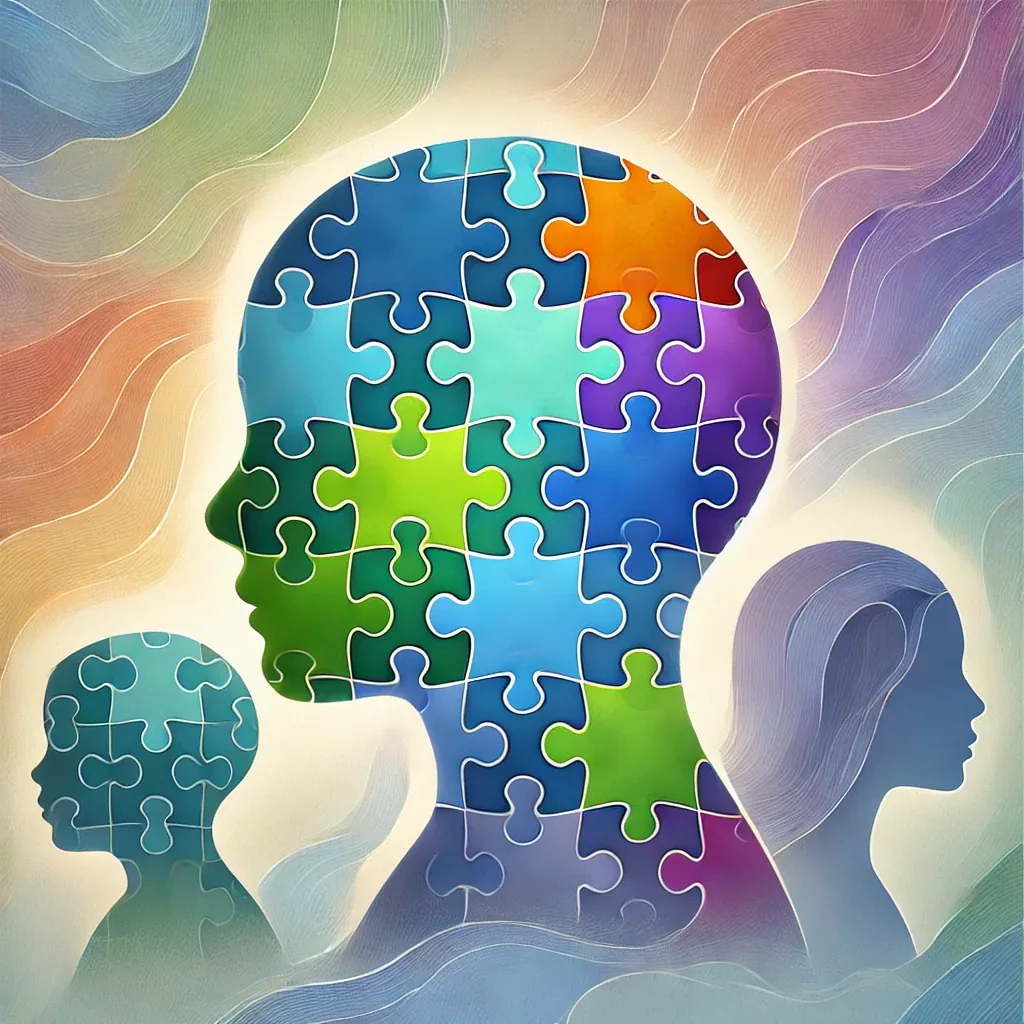
Autism Spectrum Disorder (ASD) is a complex neurodevelopmental condition that affects how individuals communicate, socialize, and process their environment. While certain hallmark features—such as differences in social interaction and restricted or repetitive behaviors—tend to be consistent across the lifespan, the expression of these characteristics can vary significantly based on age, gender, co-occurring conditions, and individual factors. As a neuropsychologist with years of experience in evaluating and supporting individuals on the autism spectrum, I’ve seen firsthand that a one-size-fits-all approach does not exist. Each person’s journey is unique, and a thorough, individualized assessment is crucial for guiding meaningful intervention.
Early Childhood: The Foundations of ASD
In young children, signs of ASD often become noticeable in the early developmental stages—sometimes as young as 12 to 24 months. Parents or caregivers might observe:
- Delayed or atypical language development: Limited babbling, fewer gestures, or slower vocabulary growth.
- Social interaction differences: Reduced eye contact, limited back-and-forth play, or difficulties with joint attention (sharing interests or experiences).
- Restricted or repetitive behaviors: Intense focus on certain objects or activities, hand-flapping, rocking, or strong adherence to routines.
- Sensory sensitivities: Heightened responses (or, in some cases, under-responsiveness) to sounds, textures, lights, or other environmental stimuli.
- Loss of previously acquired skills: Some children may develop typically for a period before showing signs of ASD, experiencing a noticeable regression in language or social behaviors.
Identification at this stage can be crucial for early interventions, which may include speech therapy, occupational therapy, behavioral support (such as Applied Behavior Analysis), and parent education. While these early signs can be fairly consistent, not all children show them in the same way or intensity.
Adolescence: New Challenges and Shifting Needs
As children enter adolescence, social expectations and demands increase significantly. Individuals on the autism spectrum may find it more challenging to:
- Navigate complex social hierarchies in school and community settings.
- Manage changing peer dynamics, such as sarcasm, jokes, or nuanced nonverbal cues.
- Cope with academic pressures, including organizational skills, time management, and executive functioning tasks.
- Handle puberty-related changes, both physically and emotionally.
At this stage, certain strengths—like deep knowledge of special interests—can become assets, while areas of difficulty may require more structured support (e.g., social skills groups, continued speech and language services, or specialized counseling). Teenagers with ASD often benefit from explicit teaching in social-emotional skills, as well as support for mental health challenges such as anxiety or depression, which can become more pronounced during this transitional time.
Adulthood: Independence and Ongoing Adaptations
In adulthood, ASD presentations vary even more widely:
- Higher education and employment: Some individuals thrive in structured academic or work environments that accommodate their learning and communication styles. Others may face ongoing hurdles with executive functioning and social communication.
- Independent living: Managing finances, schedules, and household tasks can be demanding, and adults with ASD might need varying levels of support.
- Relationships and community involvement: Some adults find fulfilling personal relationships, while others need assistance navigating social cues and building connections.
The transition to adulthood often necessitates continued advocacy and awareness. Many adults discover their diagnosis later in life, recognizing that certain challenges or traits (such as social awkwardness, sensory sensitivities, or special interests) align with ASD. A formal evaluation can provide answers, resources, and direction at any age.
Gender & Identity Differences
Historically, ASD has been underdiagnosed or misdiagnosed in girls, women, and gender nonconforming individuals. Research suggests that females (including cisgender girls and transgender or nonbinary individuals) may:
- Mask or camouflage symptoms by closely observing peers and imitating typical social behaviors.
- Show different special interests that might appear more socially typical (e.g., animals, fiction, or celebrity culture) and therefore go unnoticed.
- Present with more internalizing challenges (anxiety or depression) rather than overt behavioral issues.
These differences can lead to delayed or missed diagnoses, compounding challenges related to self-understanding and access to support. During an assessment, it’s vital to account for subtle presentations and cultural or gender-based expectations.
Intellectual Capacity & Media Portrayals
One of the most misunderstood aspects of ASD is its vast range of intellectual and cognitive profiles. Some individuals may have co-occurring intellectual disabilities, while others display average or even exceptional intellectual abilities. Those on the gifted end of the spectrum can become deeply knowledgeable about special interests, sometimes demonstrating extraordinary pattern recognition or memory skills. For instance, certain military organizations have recognized and utilized these unique abilities—such as enhanced attention to detail and remarkable memory—in complex tasks like code-breaking. In other cases, we hear inspiring stories of individuals who can recreate entire cityscapes from a single visual experience.
Unfortunately, mainstream media often focuses on either the most severe or the most “extraordinary” presentations of autism. While these portrayals can raise awareness, they also contribute to misconceptions. Parents might hesitate to seek help if their child doesn’t match the more severe depictions seen on television or film. Similarly, adolescents and adults may dismiss the possibility that they’re on the spectrum if their traits differ from popularized characters. Recognizing the broad spectrum of intellectual and functional presentations is essential for ensuring that individuals receive the understanding, support, and assessment they need.
Differential Diagnoses & Comorbidities
When evaluating for ASD, neuropsychologists and other clinicians consider a range of other diagnoses that might explain or overlap with a child’s or adult’s presentation. It is imperative to tease apart the clinical picture, as these diagnoses are not mutually exclusive. In some cases, a single diagnosis (Autism or otherwise) best describes the profile, while in others, multiple co-occurring (comorbid) conditions may be present. Below is a sample of common considerations; there are many other possibilities depending on the individual’s unique presentation:
- Intellectual Disability (ID): Cognitive delays can lead to social or adaptive challenges that resemble ASD but stem from a more global cognitive impairment.
- Hearing Differences or Deafness: Unidentified hearing challenges in young children (or partial hearing loss) can impact language and social development, sometimes mimicking ASD.
- Language Disorders: Difficulties with comprehension or expressive language can be mistaken for social communication deficits.
- ADHD: Challenges with attention, hyperactivity, and impulsivity can blur the clinical picture, especially if social difficulties stem from inattention or executive dysfunction.
- Anxiety Disorders: Social phobia, selective mutism, or generalized anxiety can mask or mimic aspects of ASD.
- Obsessive-Compulsive Disorder (OCD): Ritualistic behaviors or obsessive interests can appear similar to ASD’s repetitive behaviors.
- Tic Disorders: Unusual movements or vocalizations may be misinterpreted as stimming or repetitive behaviors when, in fact, they might relate to tics or Tourette syndrome.
- Schizophrenia: Though less common in younger children, older children or adolescents may present with executive dysfunction, social withdrawal, or unusual behaviors that can sometimes appear ASD-like.
Key Areas of Assessment
A comprehensive neuropsychological evaluation for autism typically examines:
- Intellectual Functioning: Standardized tests to gauge cognitive strengths and weaknesses.
- Adaptive Functioning: Measuring real-world skills like self-care, communication, and daily living tasks.
- Language Capacity: Evaluating both expressive and receptive language abilities.
- Social Skills: Observing social communication, reciprocity, and the ability to interpret nonverbal cues.
- Theory of Mind: Determining how well an individual understands others’ perspectives, beliefs, and emotions.
- Executive Functions: Attention, planning, organization, and cognitive flexibility.
- Sensory Processing: Identifying sensory sensitivities or under-responsiveness that impact daily functioning.
- Behavior and Mood: Assessing emotional regulation, anxiety, depression, and other factors influencing daily life.
In addition to direct assessment tools (like the Autism Diagnostic Observation Schedule, or ADOS), clinical interviews and informant reports from caregivers, teachers, or other close contacts are highly valuable. These sources shed light on the individual’s developmental history and help create a comprehensive profile of strengths and challenges across different settings.
Why a Thorough Assessment Matters
A careful, individualized assessment is the foundation for effective intervention and support. By considering the complexities of age, gender, identity, co-occurring conditions, and unique cognitive profiles, clinicians can provide tailored recommendations. These may include therapies (speech, occupational, or psychological), educational accommodations, behavioral interventions, and medication management.
For families, understanding an ASD diagnosis can bring clarity and relief, offering a roadmap for next steps. For adolescents and adults, it can lead to increased self-awareness, advocacy, and resources that promote success in education, employment, and relationships.
Final Thoughts
Autism Spectrum Disorder is multifaceted and manifests differently across ages, genders, and individual personalities. Whether you are a parent concerned about your child’s development, a teenager navigating the complexities of social life, or an adult seeking answers, a thorough neuropsychological evaluation can open the door to meaningful interventions and improved quality of life. By recognizing each individual’s unique profile and potential, we can tailor support to help them thrive—at any stage of life.
If you’d like to learn more about our evaluation process or discuss whether an assessment might benefit you or your loved one, please feel free to reach out. I’m here to help you understand the spectrum of possibilities and find the path that best suits your needs.